This year's climatic conditions, and in particular the pre-harvest rainfall, led to contrasts in the quality of raw materials. Wheat, for example, showed irregular specific weights and heterogeneous protein contents depending on the region.
In addition to degraded raw material quality, the summer rains increased the risk of mycotoxin and other contaminant contamination of feedstuffs. Solutions must therefore be found in the formulation of feeds for livestock, particularly for pigs, poultry and ruminants, species that are highly sensitive to contaminants and mycotoxins.
In addition to the drop in consumption that contaminated food can cause, the digestive and immune systems are heavily mobilized to combat the ingestion of mycotoxins.
In this particular context, INEDIA, the solution from Biodevas Laboratoires, offers the possibility of managing mycotoxins but also, more broadly, all food contaminants.
Thanks to its innovative non-capturing technology, the animals' tolerance threshold to contaminants is increased and zootechnical performance is not impaired.
INEDIA, not being a sensor, therefore has the advantage of not being specific to any particular mycotoxin or contaminant. This feature was verified in two trials conducted on pigs and poultry using feed contaminated with a mixture of mycotoxins (aflatoxins, fumonisins, and DON), where performance was better compared to a reference mycotoxin sensor on the market composed of clay, enzymes, and plant extracts.
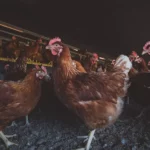
For example, chickens supplemented with INEDIA a higher live weight at the end of the trial (D21) (764 g) than animals fed mycotoxin-contaminated feed with the reference sensor (714.28 g).
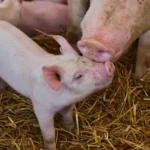
The pig trial showed similar results, with the live weight of animals receiving INEDIA (20.1 kg) INEDIA than that of animals receiving contaminated feed and the market reference sensor (19.3 kg) composed of clay, enzymes, and plant extracts.
The broiler chicken trial also showed that the live weight of animals fed INEDIA higher than that of animals in the negative control group (747.79 g) fed only standard, uncontaminated feed. These data show that even in the absence of contaminants in the feed, INEDIA animals to perform well in terms of growth.
These results can be explained byINEDIA mode of actionINEDIA stimulates the xenobiotic pathway and improves the animals' resilience to contaminants, allowing them to ingest and eliminate contaminants without any impact on their performance.
It's a complete solution tailored to the needs of the latest harvests.
For more information, please visit the INEDIA page .