Internal parasitism, an ever-present challenge in poultry farming
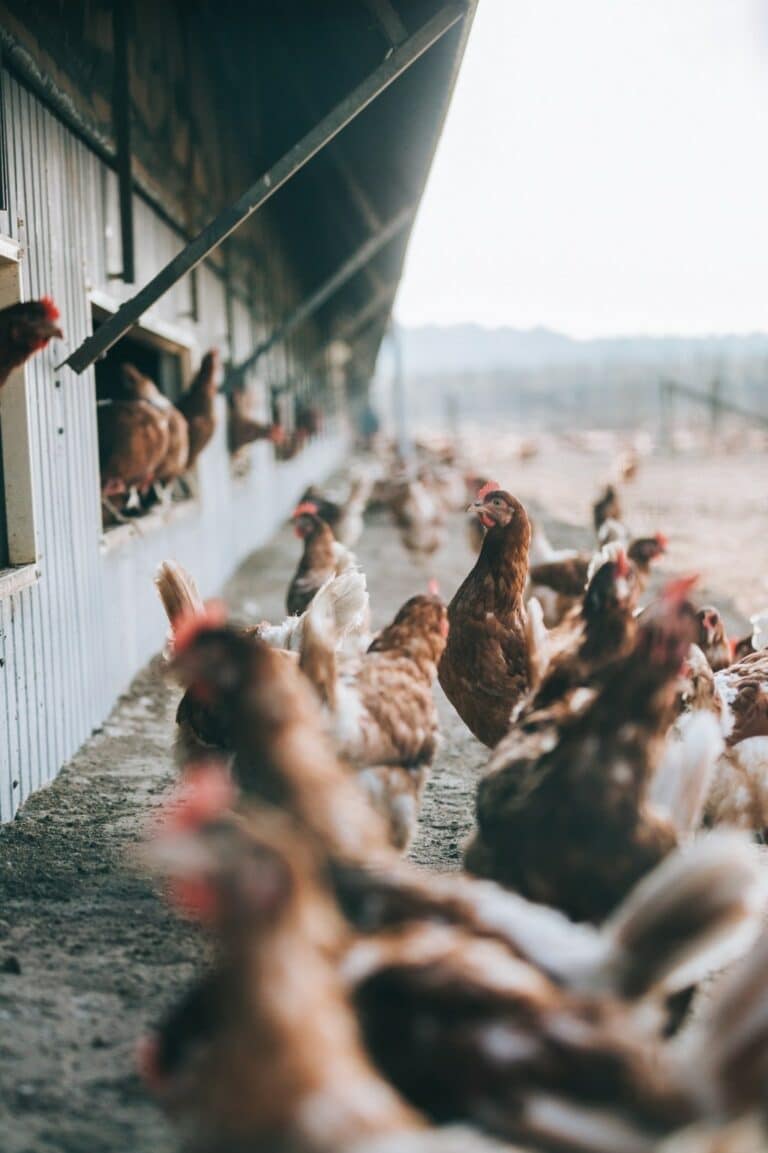
In free-range or organic farming systems, poultry are naturally exposed to various internal parasites present in their environment. Contact with soil, vegetation, insects, or earthworms promotes the spread of eggs and larvae of digestive parasites.
Among the most common parasites found in poultry farming are Ascaridia galli, Heterakis gallinarum, and Capillaria spp.
These parasites can affect the digestive health of animals and livestock performance, particularly in cases of high parasite pressure. The following symptoms may then be observed:
– A decline in the consumer confidence index.
– A decline in egg production or growth performance.
– Heterogeneity of batches.
– A general weakening of the animals.
Controlling parasitism is therefore an important issue in maintaining the health and performance of livestock farms.
Greater parasitic pressure in outdoor systems
Farms with outdoor access are particularly affected by this problem. When poultry have access to the outdoors, they may be exposed to parasite eggs present in the soil or carried by various natural vectors.
Certain periods are particularly favorable for the development of digestive parasites, especially when temperatures become milder, soil moisture increases, and poultry spend more time outdoors.
In this context, parasite management is based on a comprehensive approach combining various farming practices: management of grazing areas, hygiene in buildings, health monitoring, and nutritional support for animals.
The role of anthelmintics in parasite management
In certain situations, managing parasitism may require the use of veterinary anthelmintic drugs. Among the molecules used in poultry production is flubendazole, which is prescribed by veterinarians as part of a treatment strategy tailored to the health situation of the flock.
The use of these drugs is regulated and must comply with several parameters, including veterinary prescription requirements, dosage, and waiting periods before the products can be marketed.
Furthermore, as with many antiparasitic molecules,the judicious use of these treatments is part of a broader approach aimed at preserving their effectiveness over time and meeting societal expectations regarding the reduction of drug residues.
In this context, many farms are turning to complementary approaches aimed at supporting digestive health and animal robustness, in conjunction with good farming practices.
ASCAROM a phytogenic solution to support parasite management
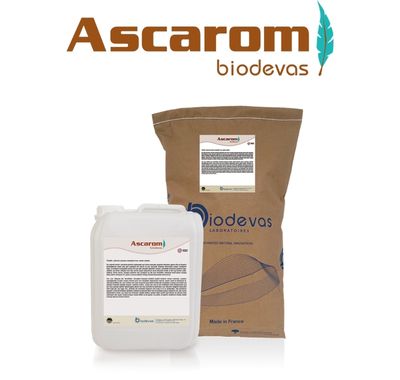
Developed by Biodevas Laboratoires, ASCAROM is a complementary feed designed to support poultry (hens, chickens, turkeys, and guinea fowl) in farms facing internal parasitism issues.
Its formulation is based on a combination ofphytogenic active ingredients derived in particular from:
– Punica sp.
– Tanacetum sp.
– Thymus sp.
These plant extracts have been selected for their properties that contribute to digestive balance and animal robustness.
The approach developed with ASCAROM is based on three complementary areas:
🛡️ Digestive health support
The presence of parasites can cause physiological stress in animals. The addition of phytogenic active ingredients helps support digestive function in these situations.
🌿 Stimulation of natural defenses
Certain plant compounds help support the body's natural defense mechanisms.
⚖️ Maintaining a balanced digestive system
The combination of plant-based ingredients helps maintain a digestive environment that is less conducive to the development of parasites.
ASCAROM can thus be integrated into an overall strategy aimed at supporting animals when parasite pressure is higher.
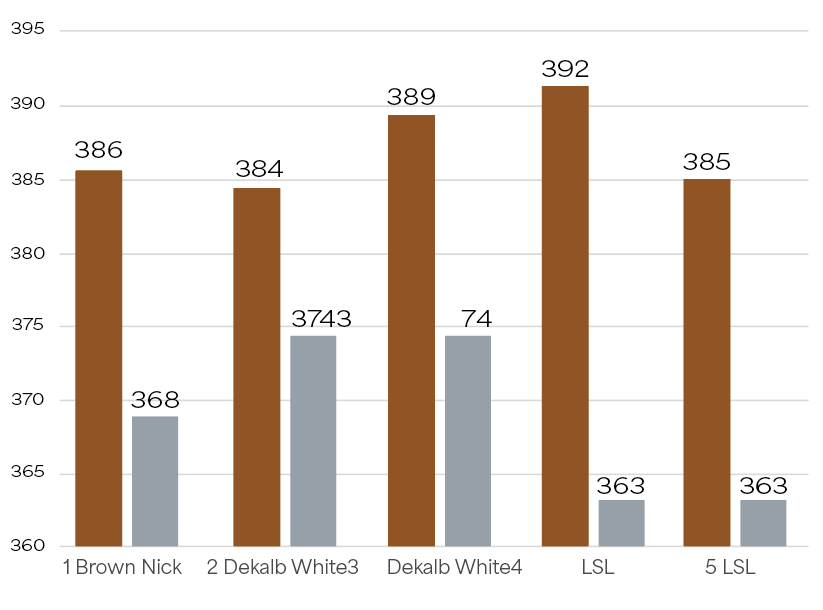
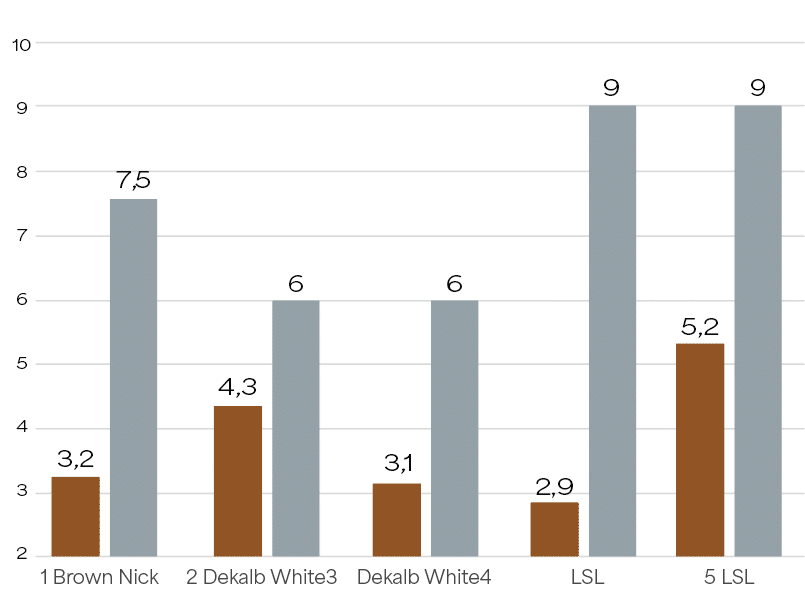
Results of application in organic laying hen farms
Several field trials were conducted in the Netherlands in partnership with one of our customers on organic laying hen farms.
A total of five trials were conducted between 58 and 74 weeks of age, representing more than 75,000 hens from different strains (HN Brown Nick, Dekalb White, and Lohmann LSL).
In these farms, ASCAROM was incorporated into the feed at a rate of 1 kg/ton for one week per month from 27 weeks of age, in order to support the animals throughout the laying period.
The monitoring focused on:
– Zootechnical performance (laying rate, number of eggs per hen, mortality).
– Changes in parasite excretion measured by OPG (eggs per gram of feces) using the McMaster method on certain batches.
Observations made on these farms show that the use ofASCAROM is part of an overall strategy aimed at maintaining the digestive robustness of poultry and production performance, particularly in free-range or organic systems.
A solution that can be used in different livestock systems
ASCAROM has several characteristics that facilitate its integration into farming practices:
– A formulation based onnatural phytogenic active ingredients.
– No residues and no waiting period.
– Can be used in organic farming.
– Available in two forms: powder, for incorporation into feed or premixes, and liquid solution, for distribution via drinking water.
This flexibility allows the product to be adapted to the feeding practices and constraints of each farm.
Towards sustainable management of parasitism in poultry farming
Controlling internal parasites in poultry farming today relies on an approach combining several levers: environmental management, health monitoring, farming practices, and nutritional support for the animals.
In this context, phytogenic solutions such as ASCAROM can help support poultry during periods of higher parasite pressure, while also forming part of an overall strategy aimed at maintaining digestive health and farm performance.
Would you like to incorporate ASCAROM your breeding program?
Our technical teams support breeders and animal nutrition partners in implementing strategies tailored to breeding systems and health issues.
Contact us to discuss your situation and obtain relevant technical references.
FAQ – Managing Parasites in Poultry Farming
What are the most common internal parasites in poultry?
The most common digestive parasites found in poultry farming include Ascaridia galli, Heterakis gallinarum, and certain species of Capillaria. Their presence depends on farming conditions, access to outdoor areas, and parasite pressure in the environment.
Why are free-range farms more exposed to parasites?
Poultry raised with access to the outdoors may be exposed to parasite eggs and larvae present in the soil, vegetation, or carried by certain insects and earthworms. Humid weather conditions and mild temperatures also promote their development.
What is the role of flubendazole in poultry farming?
Flubendazole is an anthelmintic molecule used in certain veterinary medicines for the treatment of internal parasites. Its use is regulated and must be prescribed by a veterinarian as part of a health strategy tailored to the farm.
ASCAROM be used in organic farming?
Yes, ASCAROM is formulated from phytogenic active ingredients and can be used in organic farming systems in accordance with current regulations.