Paramphistomes are among the internal parasites increasingly observed in cattle farms. Their presence can impact the digestive health and performance of animals. In order to evaluate the value of a phytogenic approach in this context, Biodevas Laboratoires conducted a field trial to observe the impact of PARASYNE in farms facing this problem.
Field study conducted in cattle farming
PARASYNE is a phytogenic solution developed by Biodevas Laboratoires to support the management of internal parasitism in ruminants. Formulated from natural, non-biocidal active ingredients, it acts in particular on the management of oxidative stress, the homeostasis of the digestive epithelium, the modification of the digestive environment, and the stimulation of natural defenses in conventional and organic livestock farming.
In order to observe its effectiveness in farms affected by paramphistomes, a field trial was set up.
The implementation of the protocol and monitoring of the study were entrusted to an independent service provider recognized for its expertise in this area.
Explanation of the study
The objective of this study is to measure paramphistome infestation by maintaining a low infestation rate in adult cattle throughout the risk period.
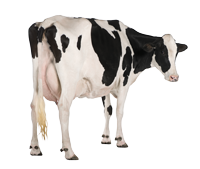
Within the same farm, from a herd of cattle known to be habitually infested with paramphistomes, two groups of 15 dairy cows each were formed (control group and study group).
The Study Group received PARASYNEfor 7 days in early June, and the cattle were then monitored for 94 days.
The parameters monitored are parasite excretion measurements via individual coproscopy on Day 0, Day 30, Day 60, and Day 94, and blood tests on the same dates for immunity markers: white blood cells and neutrophils.
Parasite excretion and blood count results
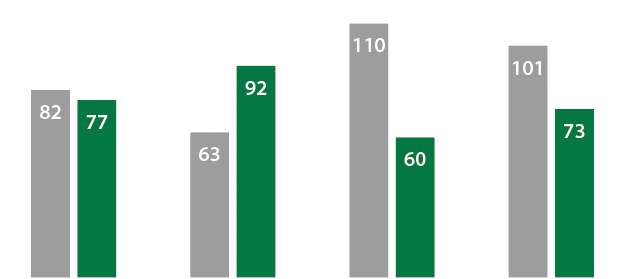
On Day 30, the batch PARASYNE expels more parasites. This is the product's primary activity.
On Day 60, the batch PARASYNE shows a 45% reduction in parasite excretion compared to the control group.
On Day 94, this reduction is 28.21%.
PARASYNE therefore helps to keep infestation rates low for up to 94 days after initial use of the product over a 7-day period.
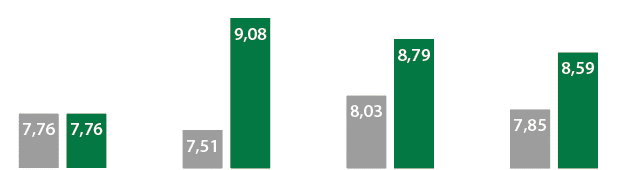
The lot PARASYNE shows a higher white blood cell count rapidly and throughout the study period (up to +20.90% on Day 30).
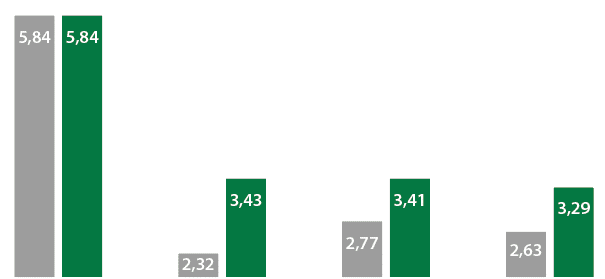
The lot PARASYNE showed a higher neutrophil count rapidly and throughout the study period (up to +48.48% on Day 30).
Conclusion
PARASYNEkeeps the infestation rate of paramphistomes low for 94 days after administration for 7 consecutive days.
An initial expulsion of paramphistome eggs occurs before PARASYNE other actions on animal resilience take effect.
This study highlightsthe immune-stimulating action of PARASYNE, with increased production of white blood cells and neutrophils, which are indicators of immune responses.
100% natural product, PARASYNEis not suitable for heavily infested animals, but it can help manage paramphistome infestation across the entire herd at the same time, avoiding milk and meat withdrawal periods.
Suitable for use in both cattle and small ruminants, it is available in several forms (liquid or solid) and is compatible with other ingredients (such as yeast and probiotics). It can be incorporated into feed, minerals, drinking water, or top feeding.
PARASYNE can also be used on horses. Contact us for more information.
To better understand the challenges of internal parasitism in ruminants and how PARASYNE fits into livestock farming strategies, read our article on managing internal parasitism in ruminants.