Les gelées printanières sont une menace redoutée par les arboriculteurs et viticulteurs. À une période où la végétation redémarre, un épisode de gel peut causer des dégâts considérables, compromettant la récolte de l’année et fragilisant la pérennité des cultures. Si aucune solution ne permet d’empêcher totalement ces dommages, certaines stratégies permettent néanmoins de mieux préparer les plantes à ce stress.
Chez Biodevas, nous proposons des solutions naturelles qui, bien qu’elles ne soient pas des antigels, aident la plante à mieux encaisser ces conditions difficiles et à récupérer plus rapidement après un épisode de gel.
Les différents types de gel printanier et leurs effets sur la végétation
Deux types de gelées printanières peuvent impacter les cultures :
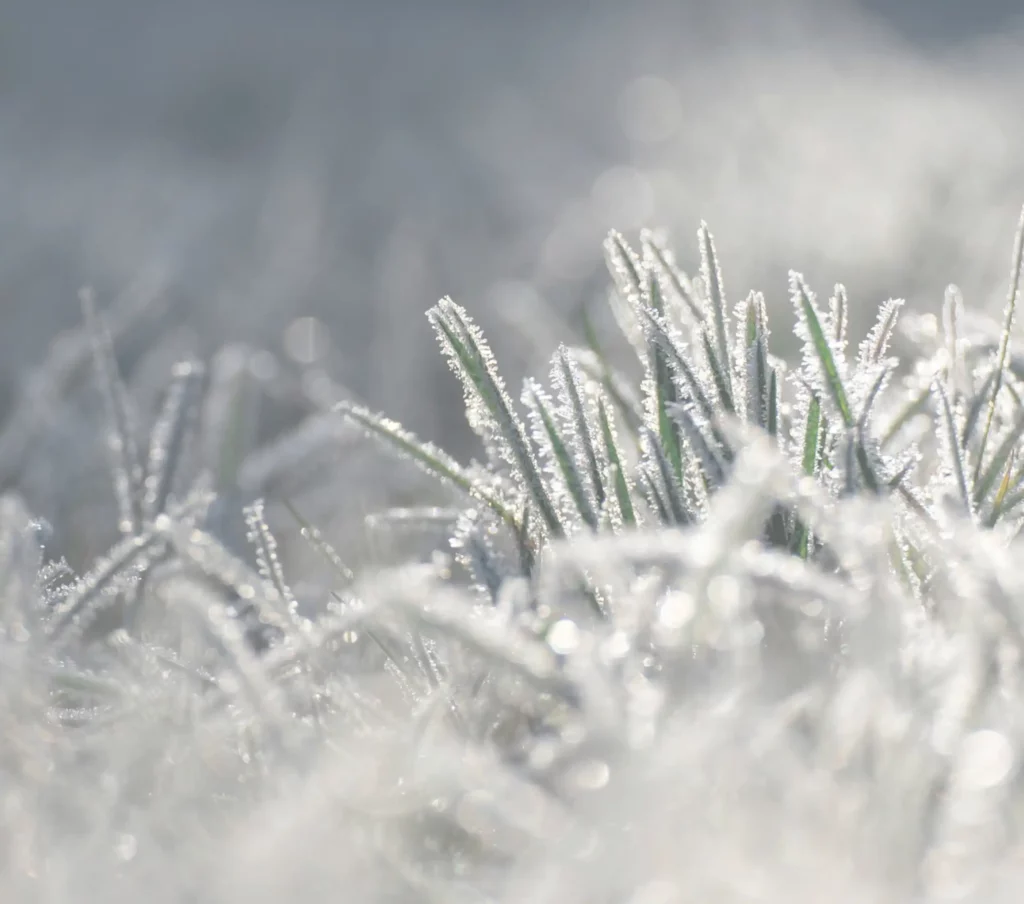
- Les gelées blanches : Elles apparaissent par temps clair et froid, avec des températures nocturnes comprises entre -3°C et -5°C. Une fine couche de cristaux de glace se dépose sur la végétation, provoquant un brunissement et un dessèchement des jeunes pousses.
- Les gelées noires : Elles surviennent lors d’une arrivée massive d’air froid polaire, avec des températures pouvant chuter entre -5°C et -10°C. Elles provoquent des dégâts bien plus graves, allant jusqu’à la destruction totale des jeunes pousses et entraînant des pertes de récolte conséquentes.
Avant le gel : renforcer la résistance des plantes
Lorsque les températures chutent, la végétation ralentit son métabolisme pour maintenir ses fonctions vitales. Cependant, en cas de gel, l’eau contenue dans les tissus se cristallise, ce qui peut entraîner l’éclatement des cellules et des dommages irréversibles.
Certaines caractéristiques permettent aux plantes d’être moins sensibles au gel :
✅ Une teneur élevée en sucres et sels minéraux, qui abaisse le point de congélation de la sève.
✅ Un taux de matière sèche plus important, réduisant la quantité d’eau libre susceptible de geler.
Les solutions Biodevas, appliquées en amont, stimulent la physiologie des plantes et leur permettent d’être plus résilientes face au froid :
- ACTIBOSCA / BOSCA-B : active les enzymes et favorise l’accumulation de matière sèche.
- MC BORON : stimule la production de glucides, renforce les parois cellulaires et favorise la division cellulaire.
- SECURA : améliore la résistance des parois cellulaires et régule la perméabilité cellulaire
- VITAMIX / SUPRABOSCA : regroupe l’effet des produits précités en combinant notre technologie d’actif naturel et un équilibre d’oligoéléments 100% biodisponible.
💡 Important : Ces solutions ne sont pas des produits antigel, mais elles aident la plante à mieux supporter le stress causé par le froid.
Après le gel : relancer la croissance et maximiser la récupération
Une fois l’épisode de gel passé, les dégâts peuvent être plus ou moins importants selon l’intensité du froid et le stade de développement des cultures.
On distingue alors deux cas de figure :
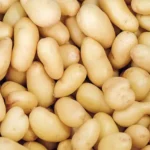
➡ Les parties détruites peuvent être compensées (ex. en pomme de terre) : Un programme de stimulation enzymatique et de croissance peut être mis en place pour relancer la végétation.
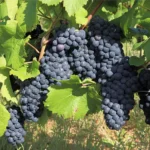
➡ Les parties détruites sont irrécupérables (ex. perte de grappes en vigne) : L’enjeu sera alors de soutenir la plante avec des applications post-gel pour l’aider à se régénérer et assurer une bonne mise en réserve en vue de la prochaine saison.
Conclusion
Le gel printanier est un défi majeur pour les cultures pérennes. Si aucune solution ne peut empêcher une plante de geler, certaines stratégies permettent de mieux la préparer et d’optimiser sa reprise après un épisode de froid.
Les solutions Biodevas s’intègrent dans une approche globale de gestion du stress abiotique, en soutenant la physiologie des plantes avant, pendant et après ces périodes critiques.
👉 Pour en savoir plus sur nos recommandations et nos solutions, contactez-nous dès maintenant !