
Repeated heat waves, excessively hot nights that disrupt the plants’ physiology, and prolonged water stress: this summer, perennial crops were put to the test.
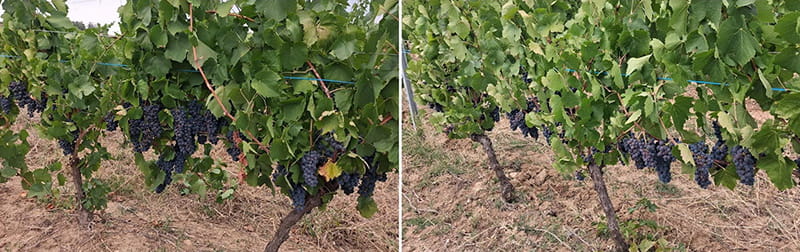
Scorched or curled leaves, drying of the tips, leaf curling, apical necrosis… These symptoms are indicative of adisruption in the plant’s normal physiological cycle.
When water becomes less available and temperatures rise, the plant becomes less efficient at absorbing nutrients and reduces its activity. Photosynthesis can then slow down significantly, affectingcropyieldandquality.
In the face of these heat waves, which are expected to recur, various measures can be implemented to support crops: irrigation, shading, crop variety innovation, and so on. However, when it comes to perennial plants, these solutions have certain limitations—economic, administrative, and temporal. Changing the structure of a vineyard or orchard can, in fact, take several years.
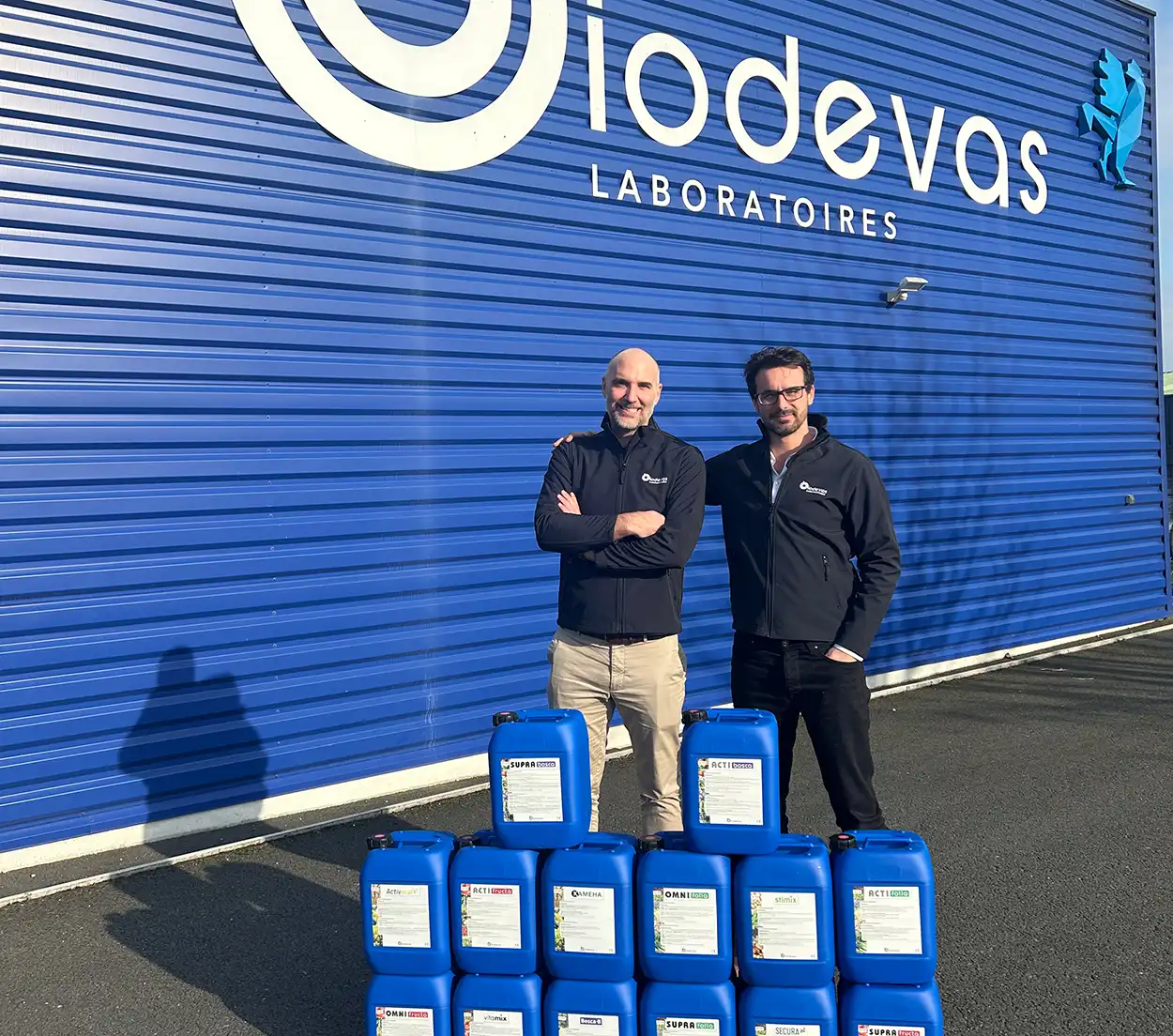
While waiting for structural solutions to be implemented,Biodevas is helping thousands of farmers adapt their crops to climate change.
Understanding the Mechanisms: Oxidative Stress at the Heart of the Plant
Beyond the observable effects on the plant’s exterior, heat and drought also have consequences at the cellular level.
When a plant is subjected to stress, its membranes, chloroplasts, and enzymes can be affected.Oxidative stressthen increases, and the plant gradually loses some of its functional and defensive capabilities.
Like all living organisms, plants naturally produceantioxidantsto combat stress. The challenge, therefore, is to promote the production of antioxidants at the intracellular levelin order to support the plant’sability to cope with these periods of stress andmaintain its activityand sap flow.
Biodevas Technology: A Strategic Asset
Biodevas technology is designed specifically for this purpose.
The Biodevas programacts at the cellular leveltosupport the plant’s metabolismandstimulate the activity of its antioxidant enzyme systems. Applied throughout the growing cycle—before, during, and after heat waves—it aims tohelp the plantcope withthermal and water stress.
The goal: to improvetheplant’sresilienceand enable it toremain activelonger despite difficult conditions, particularly by maintaining itsphotosynthetic activity.
On monitored plots, this approach results infunctional foliage andbetter preservation of yield potential.
Desired benefits in the face of scorching summers:
- Greater tolerance to thermal and water stress
- Better regulation of oxidative stress and protection of cells
- Reduced water stress and improved sap flow
- Greener foliage that stays active longer
- Less early defoliation
- Fewer sunburned fruits and scalded clusters
- More consistent fruit size, weight, and ripeness
- Better care of the tree and vine to prepare for the next season
Planning for Future Summers
Heat waves and droughts are no longer exceptional events for growers. They must now be factored into decisions regarding the management of orchards and vineyards.
Water management, heat protection practices, and plant support:several strategies can be combined to better prepare crops for periods of stress.
In this approach,Biodevas technologyserves as a strategic tool tosupport plants before and during heat waves,helping to maintain their vitality through the end of the growing season.
FAQ
What are the main effects of extreme heat on orchards and vineyards?
Extreme heat combined with water stress can disrupt sap flow, cause stomata to close, reduce photosynthetic activity, and lead to various visible symptoms on leaves and fruit.
How can Biodevas technology be applied to vineyards and orchards in production?
ThePFC6 and PFC7 biostimulants, developed by Biodevas Laboratoires, are designed for use by growers in both organic and conventional agriculture.
Based on growers’ needs, Biodevas’ field experts offer tailored programs that can be integrated with fertilizer or pesticide applications. This customized approach helps optimize results while minimizing the number of tractor passes through the fields.
Why Take Action Before Heat Waves Strike?
Anticipating periods of extreme heat allows us to prepare the plant and improve itsresilience, thereby reducing the impact of these extreme weather events.
A plant that has undergone a tailored biostimulation program may be better prepared to cope with periods of stress and maintain its activity despite difficult conditions.
What role can Biodevas technology play?
Biodevas technology serves as acomplementary toolin this strategy. It is designed to support the plant’s metabolism and its antioxidant enzyme systems before and during heat waves.
In perennial plants, periods of stress can also affect the following growing season. The use of Biodevas technology is thereforedesigned to support the plant over the long term and promote better conditions for recovery in the following growing season.