Periods of extreme heat and sudden downpours pose a major challenge for stone fruit crops. Apricots, peaches, nectarines, and cherries are particularly susceptible to summer stress, which can affect yield, quality, and fruit firmness.
Developed using the expertise of Biodevas Laboratoires, TÉNÉA is a 100% natural product made from plant extracts and enriched with plant-based gums. Designed to be applied to ripe fruit before rain,it forms a protective film on the surface. This film helpspreserve and strengthen the skin, while promoting water runoff, thereby reducing the risk of microcracks, bursting, or toadskin.
In this context, it is essential to adopt a comprehensive approach that combines appropriate agricultural practices and natural solutions to help the plant cope with these conditions.
What are the effects of extreme heat on stone fruits?
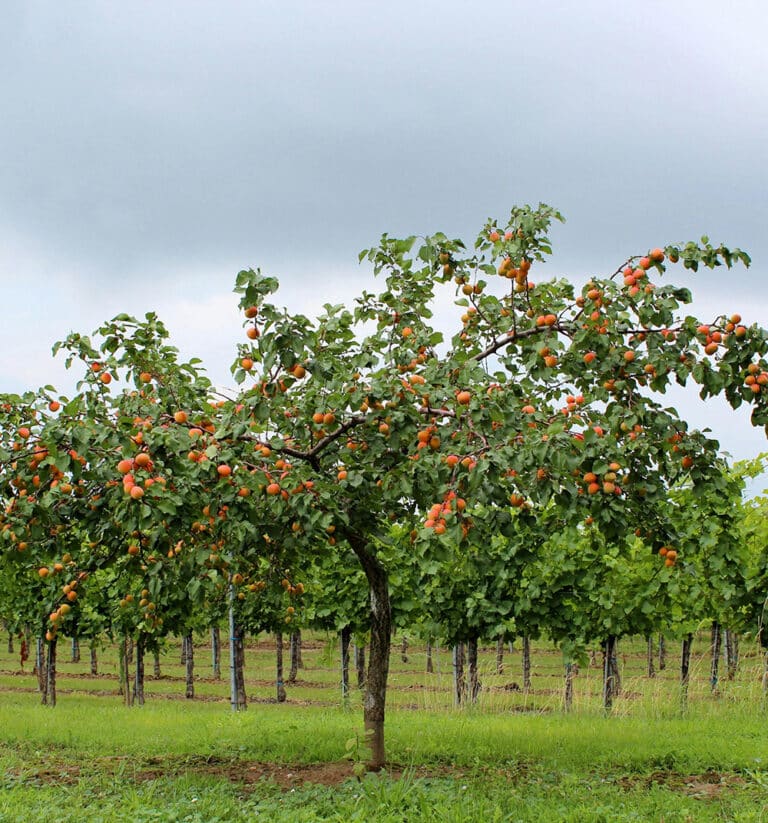
When temperatures rise over an extended period, the plant must mobilize its resources to cope with this stress. This imbalance can quickly affect its functioning and fruit development.
In particular, we observe:
- Increased sweating
- Heat and/or water stress
- A hindrance to fruit development
- A decline in quality (size, firmness, color)
These effects can lead to yield losses and directly impact the value of the crop.
Crops that are particularly sensitive to heat stress
Stone fruits do not respond in the same way throughout their growth cycle. Certain stages require special attention, as they directly affect yield and final quality.
The most sensitive stages are:
- Fruit set
- Magnification
- Maturation
During these periods, physiological demands are high. Thermal stress can therefore disrupt the plant’s balance and limit its potential.
Recognize the signs of heat stress
Observing plants allows you to quickly identify heat stress. Certain symptoms are characteristic and should serve as a warning.
Some of the most common signs include:
- Wilting of foliage
- Sunburn on exposed fruit
- Premature fall
- Slowdown in development
These indicators reflect the plant's difficulty in maintaining its physiological functions under adverse climatic conditions.
What strategies can be used to protect stone fruits?
Managing heat stress requires a multifaceted approach, in which various factors work together to maintain the plant’s equilibrium.
Adjust irrigation to meet the plant’s needs at key times
Preserving soil quality to improve water retention and nutrient availability
Support the plant with appropriate solutions to help it cope with abiotic stress
It is the combination of these practices that helps limit the impact of extreme heat.
TÉNÉA: a natural solution to support stone fruits in hot weather
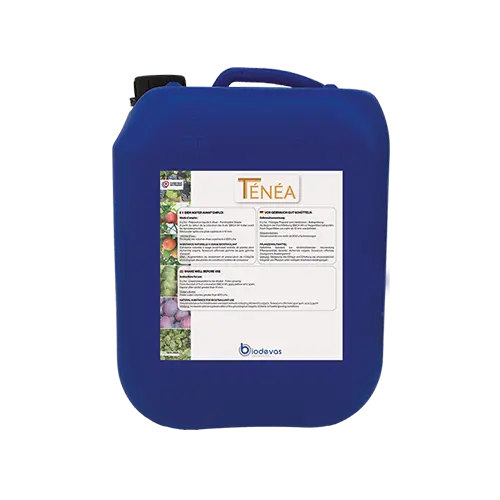
The combination of plant extracts and vegetable gums in the TÉNÉA helps preserve the fruit’s organoleptic qualities as well as its sugar content. But it alsohelps preserve the fruit’s organoleptic qualities as well as its sugar content.
By applying TÉNÉA before rain, you create an effective barrier against the harmful effects of cold water on the fruit’s skin, allowing it to finish ripening.
Its use is part of a comprehensive strategy aimed at:
- Enhance the plant's tolerance to heat stress
- Supporting physiological balance
- Supporting the maintenance of production capacity
Thanks to its natural origin, TÉNÉA can be easily integrated into agronomic programs as a complement to standard farming practices.
A practice recommended by our farmers
In the field, managing crops during heat waves is a real challenge.
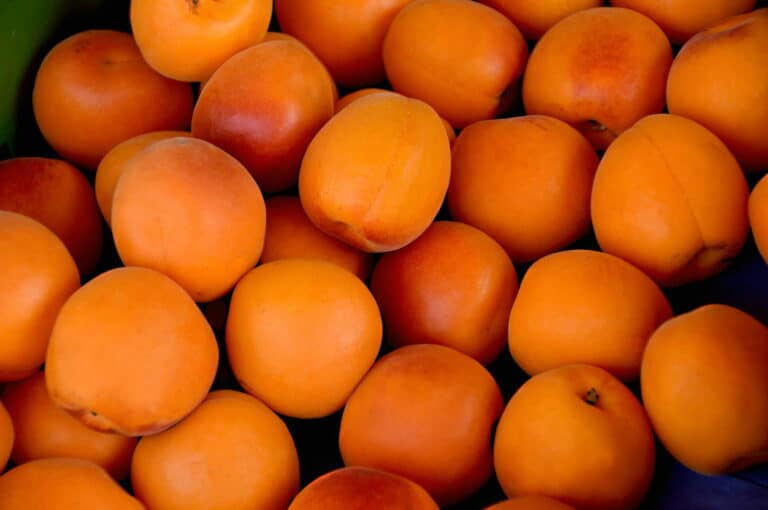
Nicolas Godard, crop manager at SCEA Le Soleil des Collines, uses TÉNÉA for several years on his apricot varieties with particularly delicate skin, such as Lady Cot, Anegat, and Bergeval.
By applying TÉNÉA about 12 hours before a forecast rain, its purpose is twofold:
- Protect the fruit by forming a film that limits the marbling effect
- Limit water uptake by the leaves to reduce the risk of cracking
Without this solution, the harvest would have to be brought forward, before the rainy spell, resulting in less ripe fruit and a decline in flavor quality. TÉNÉA thus provides a reliable guarantee for harvesting apricots at optimal ripeness.
Conclusion
With the increasing frequency of heat waves and extreme weather events, protecting stone fruits has become a key challenge in ensuring quality and yield. These conditions require a rigorous approach based on observation, anticipation, and the implementation of appropriate practices.
As part of this comprehensive strategy, the integration of natural solutions such as TÉNÉA effectively supports crops during critical periods. By helping to preserve the integrity and quality of the fruit until maturity, it serves as a complementary tool for meeting the technical and economic requirements of production.
Anticipate, adapt, and support: it is this combination that now enables us to better cope with climate-related challenges and fully harness the potential of stone fruits.
Would you like to learn more about TÉNÉA or how to use it in your crops?
Contact our team, who are available to answer your questions and assist you with your trials.
FAQ – Stone Fruits and Heat Stress
What is heat stress in arboriculture?
Heat stress refers to a physiological imbalance in the plant caused by prolonged exposure to high temperatures, which can affect its growth and fruit quality.
What are stone fruits?
Stone fruits are fleshy fruits that contain a hard pit inside, such as peaches, nectarines, apricots, plums, and cherries.
What is abiotic stress in plants?
Abiotic stress refers to stress that is not caused by a living organism (such as a pest or disease), but rather by environmental factors such as heat, drought, or cold.