Photosynthesis, which literally means "synthesis [of organic matter] by light," refers to the trapping of light energy from the sun and its storage in the form of organic matter (particularly carbohydrates). In doing so, plants and photosynthetic bacteria produce their own components from solar energy (they are said to be autotrophic).
Source: Photosynthesis – Larousse Dictionary
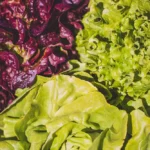
In plants and algae, photosynthesis takes place in the green parts, particularly the leaves: their cells contain small photosynthetic factories called chloroplasts, which themselves contain chlorophyll, a green pigment that captures light energy. In plants that are not green in color—for example, plants with purple leaves—the process and location are the same: chlorophyll is simply masked by pigments of other colors.