Introduction
In an increasingly demanding agricultural context, marked by the need to balance performance, sustainability, and adaptation to climate change, plant-based biostimulants are emerging as an innovative and promising solution.
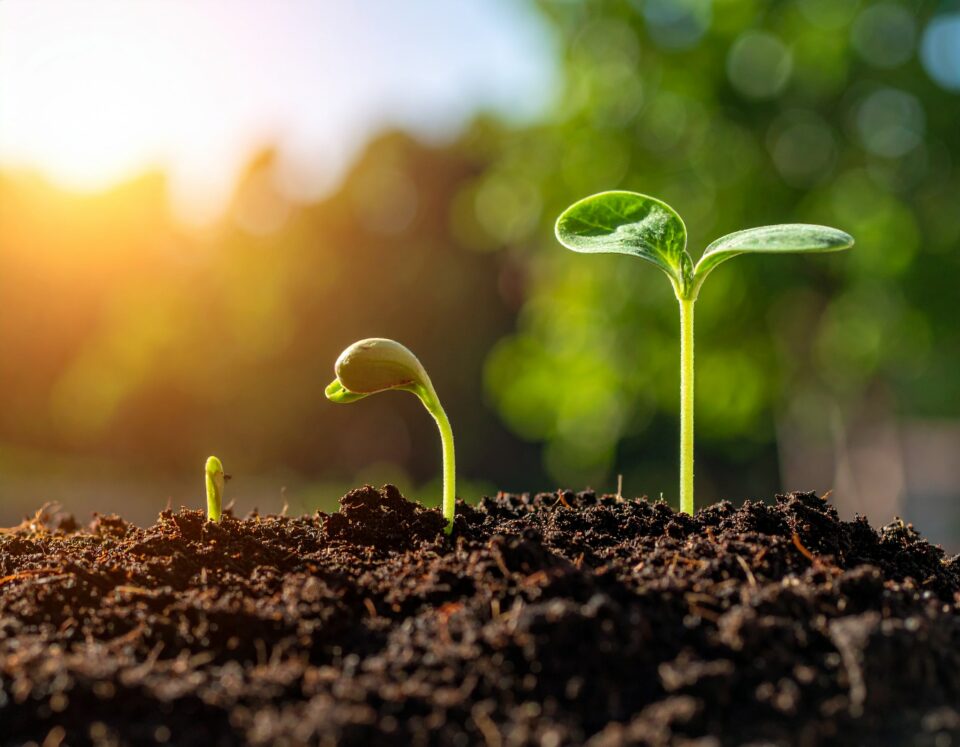
Derived from complex plant extracts, these natural products support crops at different stages of their development. They promote growth, boost vitality, and help stabilize yields in the face of abiotic stress.
Their appeal now extends beyond the realm of organic farming. Many conventional farmers are now incorporating them into their technical itineraries, attracted by their effectiveness, safety, and compatibility with more sustainable agriculture. This movement is reinforced by the European regulatory framework, which officially recognizes the functional role of plant extracts in the biostimulant category (EU Regulation 2019/1009).
But what makes these products so special? Why are plant-based compounds so effective? And what concrete benefits can be observed in the field?
What is a plant-based biostimulant?
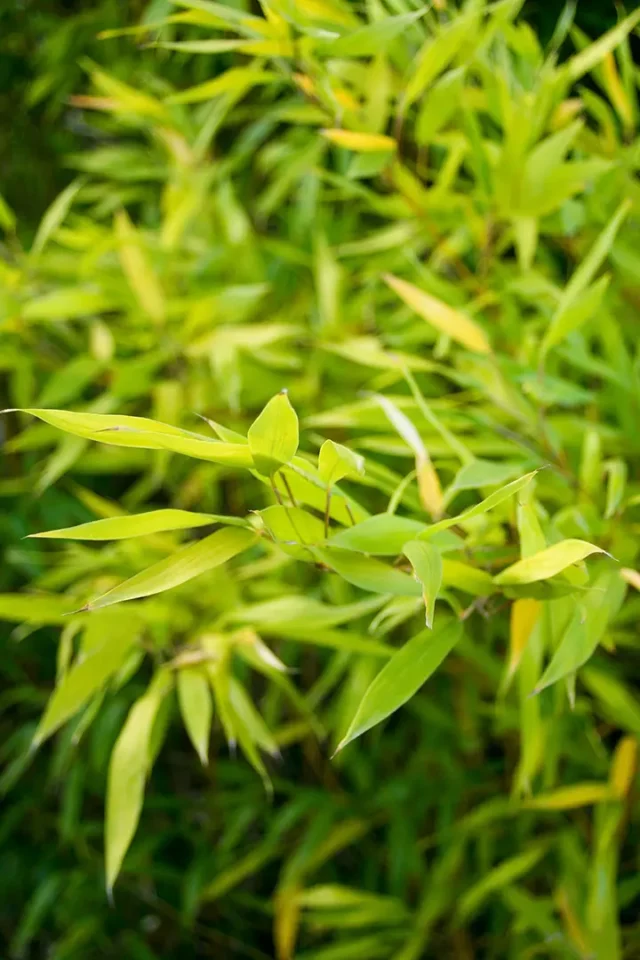
Plant biostimulants are formulated from extracts of whole plants or specific parts (leaves, roots, stems), obtained using gentle extraction processes (aqueous, enzymatic, thermal). These extracts contain a wide variety of bioactive compounds—oligosaccharides, polyphenols, amino acids, organic acids, natural phytohormones—that modulate plant physiology without providing direct nutrients.
They therefore act as true biological activators, strengthening the plant's intrinsic adaptive capacities in the face of environmental constraints.
What plant-based ingredients are used and how do they work?
Plant-based biostimulants derive their effectiveness from a wide variety of bioactive compounds naturally present in plant tissues. Depending on the extraction process (enzymatic, aqueous, acid, or thermal hydrolysis), different molecules with specific effects on plant physiology can be isolated:
1. Oligosaccharides – natural defense elicitors
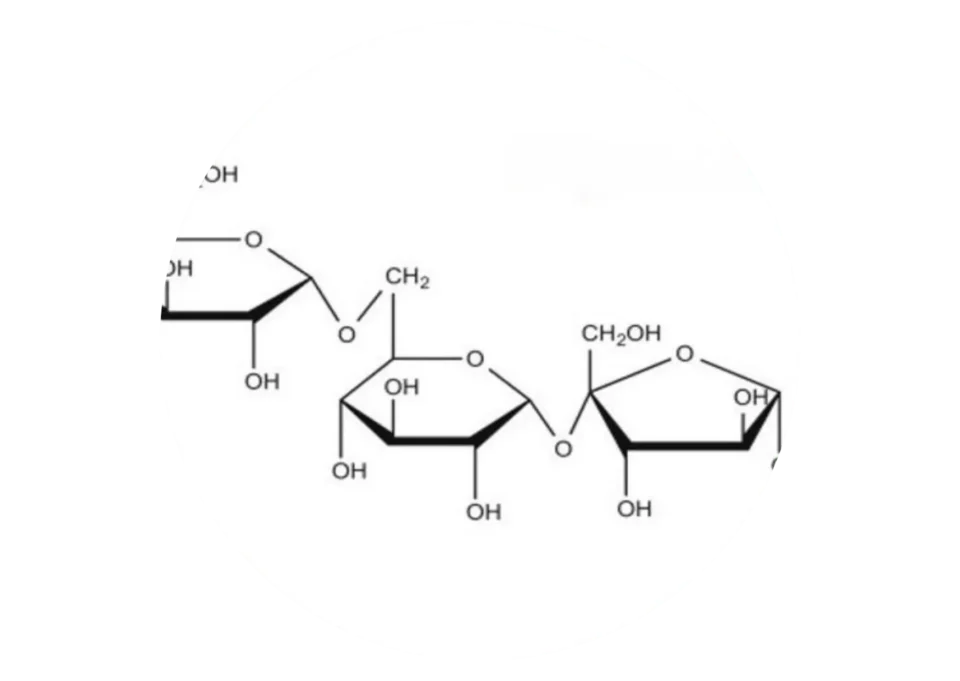
Certain oligosaccharides, such as heptamaloxyloglucan, activate defense pathways by stimulating the production of ROS, antioxidant enzymes (SOD, catalase), and phytoalexins. They trigger a state of physiological vigilance that improves tolerance to drought, extreme temperatures, and certain biotic stresses (Klarzynski et al., 2000).
2. Polyphenols – powerful antioxidants to counter oxidative stress
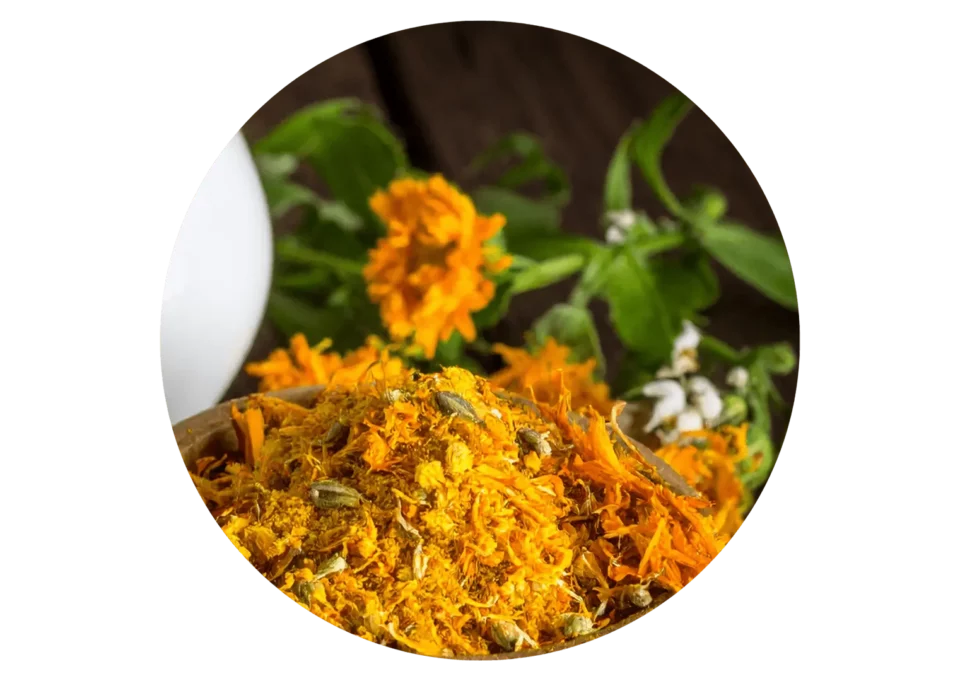
Rich in flavonoids and catechins, plant extracts rich in polyphenols trap free radicals and limit oxidative stress. They stabilize membranes and proteins, preserve photosynthesis, and prolong cell viability (Ali et al., 2020).
3. Free amino acids – metabolic support and osmoregulation
Protein hydrolysates release amino acids (proline, arginine, glycine, glutamate) involved in stress protein synthesis, stomatal regulation, and osmotic protection. They promote growth recovery after stress and transplantation (Colla et al., 2017).
4. Salicylic acid – modulation of hormonal responses to stress
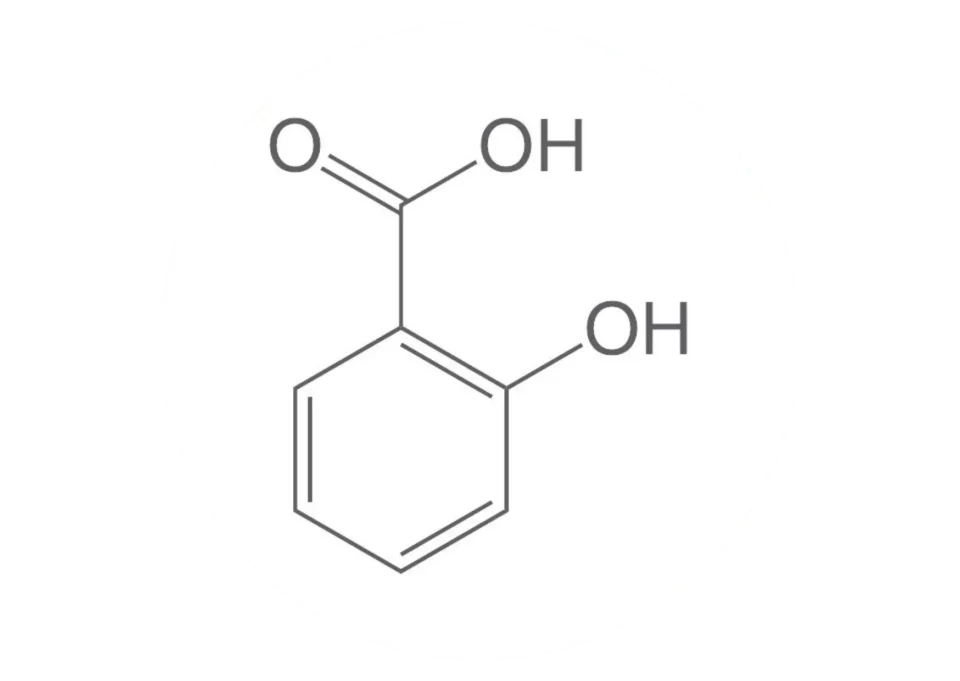
A molecule naturally present in white willow, salicylic acid modulates responses to thermal and water stress. It acts in synergy with other phytohormones (ABA, jasmonates) and stimulates the expression of defense genes (Hayat et al., 2010).
5. Brassinosteroids – regulators of growth and resilience
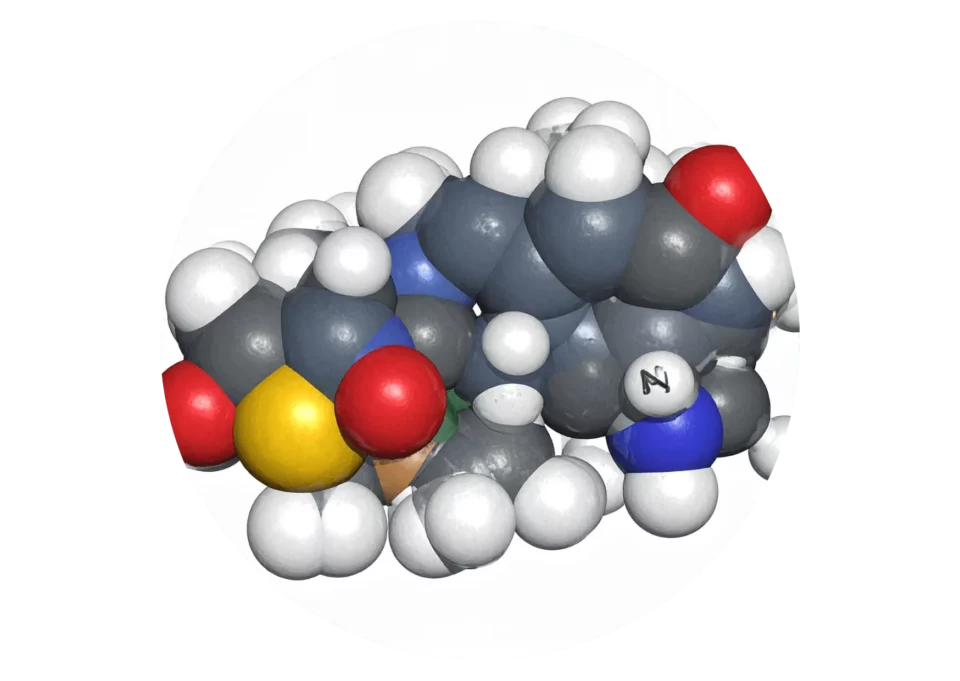
These natural plant hormones, such as 24-epibrassinolide, stimulate cell division, salt stress tolerance, and photosynthetic activity. They interact with auxin and ABA pathways to maintain vegetative development even under difficult conditions (Bajguz, 2011).
A systemic and complementary mode of action
The value of plant biostimulants lies in the synergy of their effects. Acting on several levels, they enable:
- Stimulation of root and aerial growth: certain extracts improve cell elongation and tissue division, promoting uniform development.
- Activation of defense mechanisms: extracts rich in polyphenols or plant elicitors can induce natural defense reactions to abiotic stresses (drought, salinity, heat).
- Improved nutrient uptake: by modulating root enzyme activity or interaction with soil microorganisms, they optimize the bioavailability of nutrients.
- Hormonal regulation: certain extracts act on auxin, cytokinin, or abscisic acid pathways, thereby influencing key stages of development (germination, flowering, fruiting) (6).
A systemic and complementary mode of action
Taken together, these compounds do not act in isolation but synergistically, which multiplies their effects on the plant.
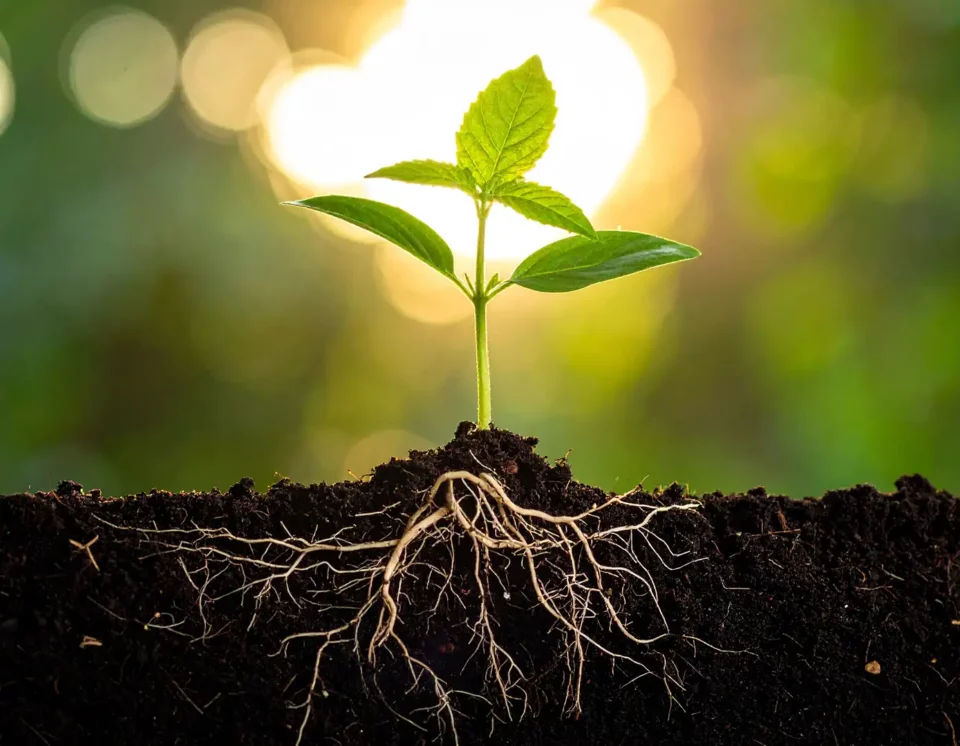
The strength of plant biostimulants lies in their ability to act on several levels at the same time. They stimulate root and shoot growth, activate natural defenses, improve nutrient absorption, and regulate hormonal balance (du Jardin, 2015).
This systemic action explains why their use is not limited to a specific crop or condition: they provide comprehensive support for plant physiology.
What are the advantages in the field?
These molecular mechanisms translate into very concrete benefits for farmers.
1. A natural, residue-free solution
Plant-based biostimulants are made from natural raw materials of plant origin, without the addition of synthetic molecules. They are biodegradable, leave no residue in crops or soil, and do not cause environmental contamination. This offers several concrete advantages:
- Compatibility with the most demanding specifications, including organic farming.
- No waiting period before re-entry or pre-harvest: they can be applied up to the day before harvest, offering great flexibility of use.
- Safety for operators, pollinators, and beneficial wildlife.
This safety makes them tools that can be easily integrated into agroecological strategies and high value-added production systems.
2. Resilience to climate stress
Plant-based biostimulants are particularly effective in preparing crops for abiotic stress conditions such as heat, drought, salinity, temperature variations, or excess water.
They take preventive action by:
- Enhancing the antioxidant activity of plant cells
- Stabilizing cell membranes in the event of thermal shock
- Promoting the expression of stress proteins such as HSPs (Heat Shock Proteins)
- Optimizing water management by modulating stomatal closure
These effects help reduce yield and quality losses, even in difficult environmental conditions. Furthermore, applying them before periods of peak stress (periods of high heat or predicted drought) maximizes their protective effectiveness.
3. Improving crop quality
In addition to their role in growth and stress tolerance, plant biostimulants have a positive influence on the physiological and organoleptic quality of crops.
Tests conducted on different crops show recurring results:
- More uniform sizes, thanks to better synchronization of the development of harvested fruits or organs.
- Increased dry matter content, particularly in tomatoes, potatoes, and grapes, correlated with better assimilation and redistribution of sugars.
- Increased levels of antioxidant compounds (polyphenols, flavonoids, vitamin C), which improve post-harvest preservation, nutritional value, and visual appeal (color, shine).
- Increase in sugar content (Brix degree), which is a fundamental criterion in fruit and vegetable crops intended for the fresh market or for processing.
- Improved firmness and resistance to bursting, particularly observed in tomatoes and cherries, limiting losses during harvest and post-harvest.
These qualitative effects have been widely described in scientific literature, particularly in the work of Rouphael & Colla (2020), which highlights the role of biostimulants in improving the quality parameters of horticultural and fruit crops.
These effects are particularly sought after in specialized sectors such as certified market gardening and viticulture, where product quality is a determining factor.
4. Adaptability to different cultures
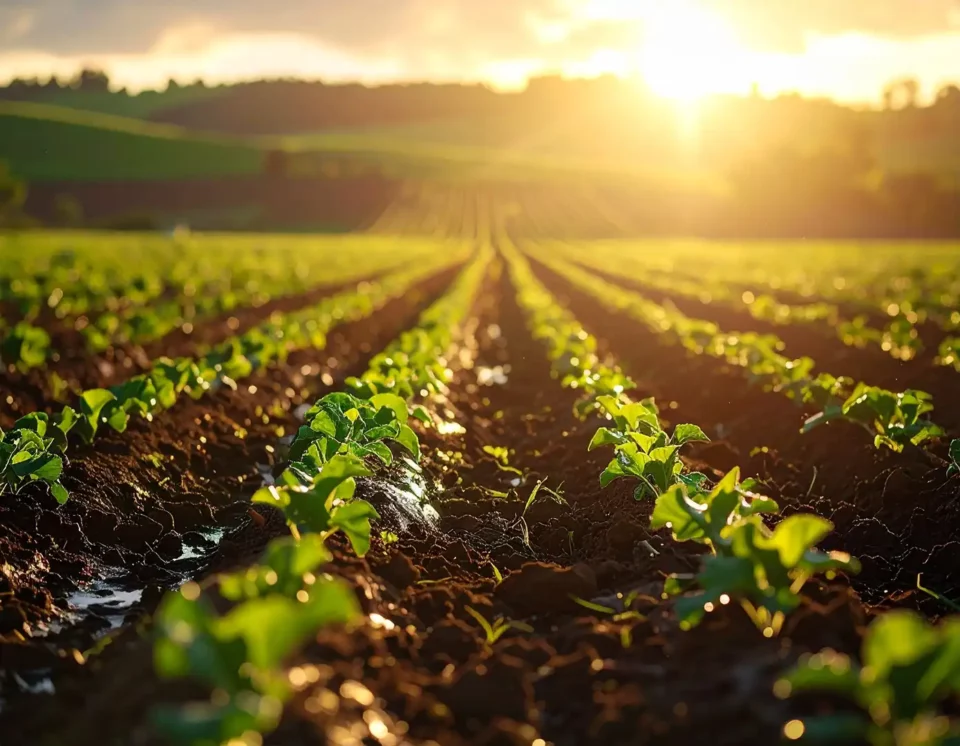
These extracts are used successfully on a wide range of crops: vegetable gardening, field crops, arboriculture, viticulture, horticulture. Their versatility allows for flexible integration into different production systems.
Conclusion
Plant-based biostimulants are an effective, sustainable, and versatile solution to support farmers in the agroecological transition. Thanks to their natural richness in bioactive compounds, they offer a tailored response to the modern challenges facing agriculture: productivity, climate resilience, and environmental sustainability.
Based on multifunctional plant extracts, these plant-based biostimulants offer a strategic alternative for optimizing agronomic performance without compromising natural balances. Their integration not only improves crop yield and quality, but also reduces the use of chemical inputs by leveraging the natural capabilities of plants.
Any questions? Contact us, our team is here to help.
Disclaimer
This series aims to share practical information about biostimulants. Each month, a new topic is addressed, based on our expertise and research.